Man's Search for Meaning
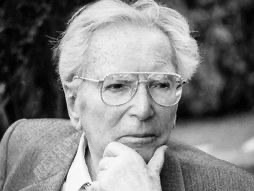
The argument that suffering becomes bearable the moment it carries meaning. Frankl wrote this in four days. It reads like something that had been waiting a lifetime to be said.
"Everything can be taken from a man but one thing — the last of the human freedoms."The Examined Life
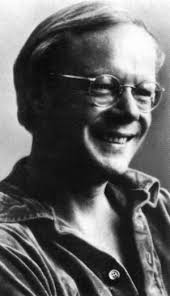
A psychoanalyst's case studies, written with the precision of a surgeon and the restraint of a poet. The best argument I know for what therapy, at its best, actually does.
Every chapter is a doorway into a life. Most of them feel familiar.The Road Less Traveled
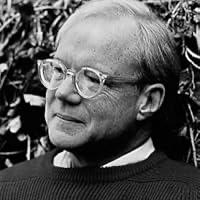
Opens with three words: "Life is difficult." Everything after that is an honest reckoning with what it takes to grow up — emotionally, spiritually, and psychologically.
Still the most honest book about love and discipline I've read.Maybe You Should Talk to Someone

A therapist goes to therapy. The book dismantles the idea that helping professionals are exempt from the work. Honest, warm, and precisely observed.
Recommended for anyone who has ever thought they didn't need it.Mastery
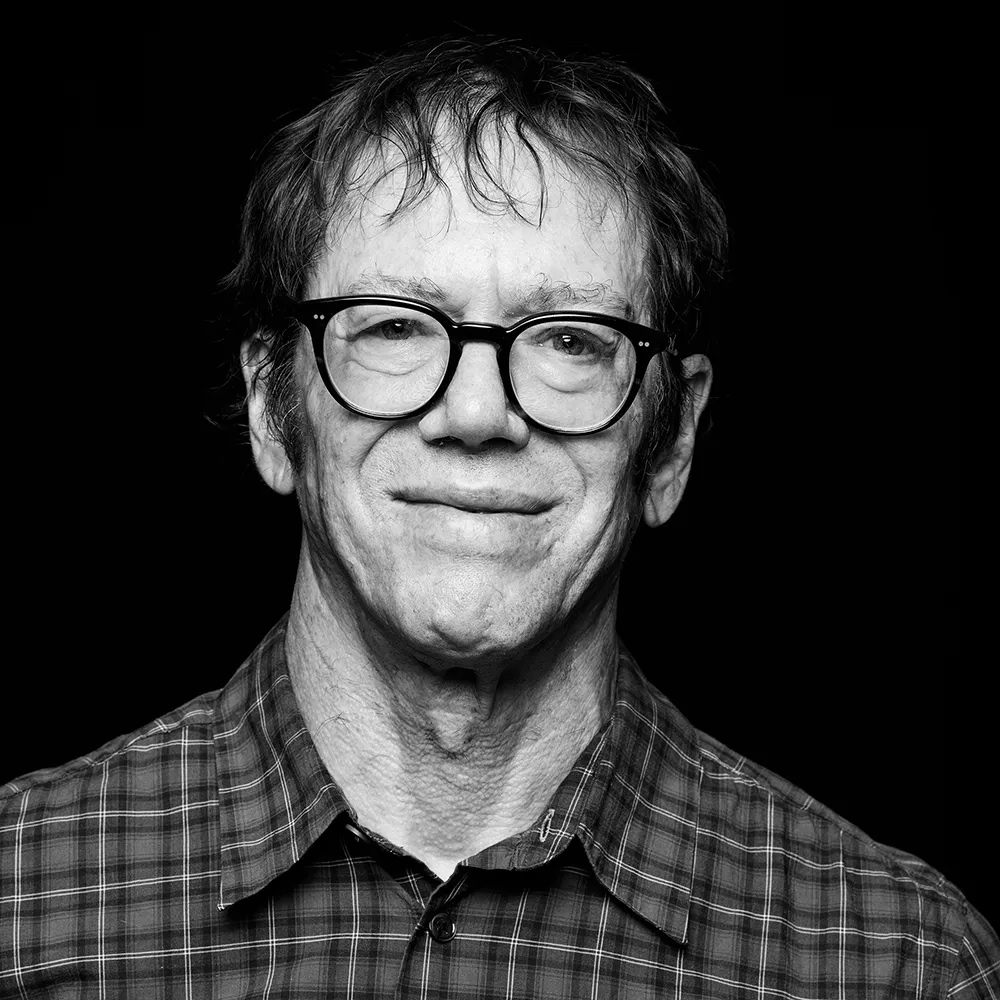
A study of how people reach the highest levels of their field — not through talent, but through a particular quality of attention sustained over time. Essential reading for high-performers who feel something is missing.
The chapter on apprenticeship changed how I think about growth.Deep Work
The case that the ability to concentrate without distraction is becoming rare and increasingly valuable. Makes you want to close every tab and sit with one hard thing until it opens.
The argument is simple. The practice is not.Letters to a Young Poet
Ten letters written to a young man asking how to live a creative life. The advice extends far beyond art. The line about living the questions has stayed with me longer than most answers.
"Live the questions now. Perhaps someday, far in the future, you will gradually, without even noticing it, live your way into the answer."A Grief Observed
Written in the weeks after his wife died. Not a theology of grief — a record of one. Raw, honest, and more useful than most clinical frameworks for what loss actually feels like from the inside.
The most important book I know about what grief actually is.When Breath Becomes Air
A neurosurgeon facing terminal illness asks what makes a life worth living. Written at the edge. Every sentence carries weight because the author knew, while writing, how little time remained.
A meditation on meaning disguised as a memoir.The Body Keeps the Score
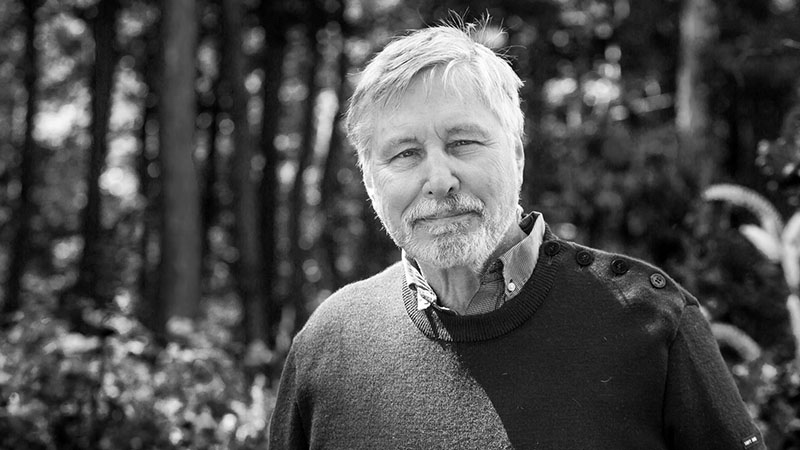
The definitive account of how trauma lives in the body — and why talking about it is only the beginning. Changed the field. Changed how I listen in the room.
Required reading for anyone who wants to understand what healing actually requires.Meditations
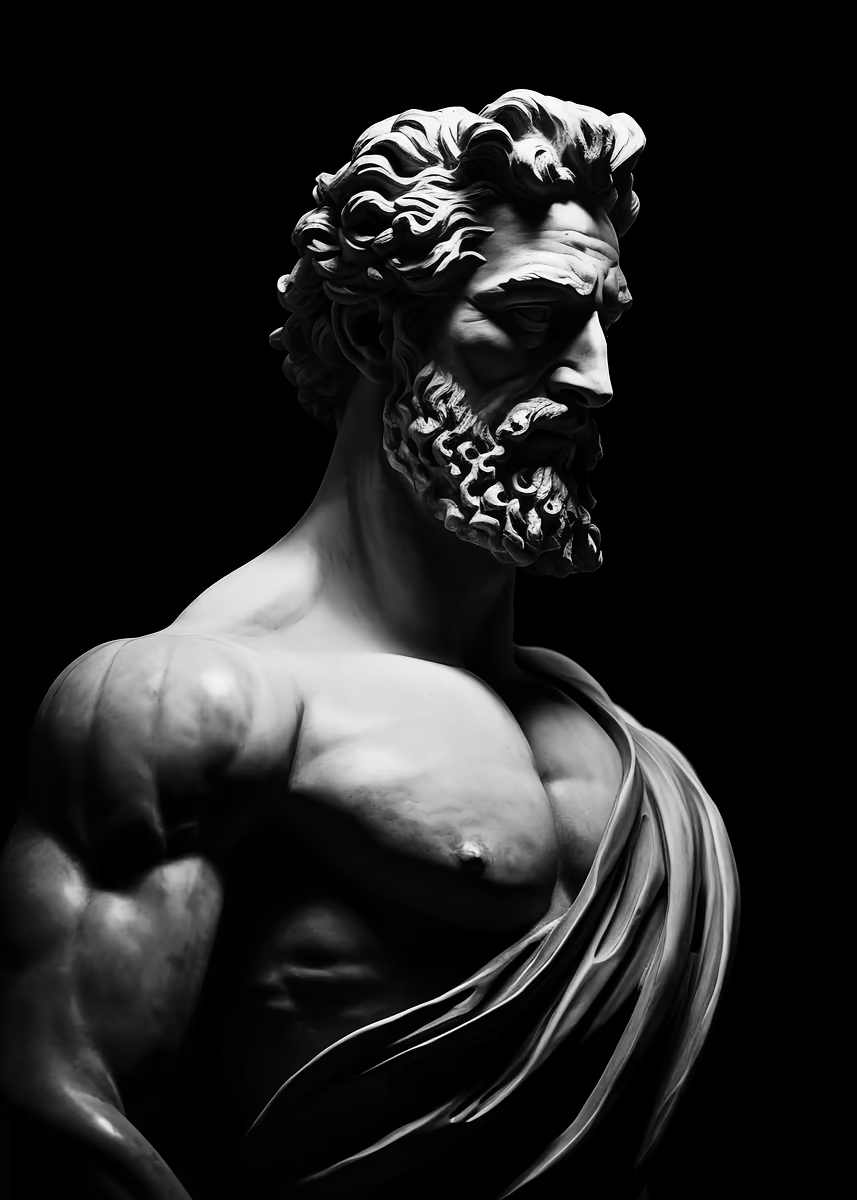
Private notes never meant to be published. A Roman emperor arguing with himself about how to be a better person. The distance between his power and his humility is the whole lesson.
The most useful philosophical text for anyone who leads other people.Thinking, Fast and Slow
The science of how we actually make decisions — and how consistently we deceive ourselves about why. Essential for understanding the gap between what people say they want and what they do.
Changes how you listen to everything, including yourself.Between the World and Me
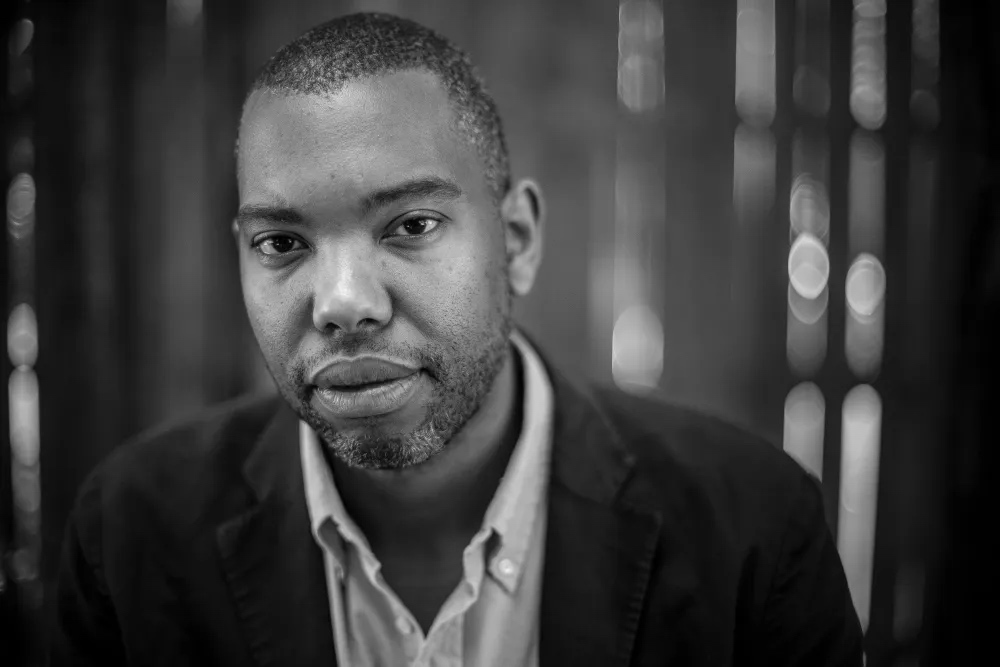
A letter to a son about what it means to inhabit a Black body in America. One of the most precise pieces of writing about identity, fear, and inherited weight that exists in contemporary literature.
Not comfortable reading. That's exactly the point.